

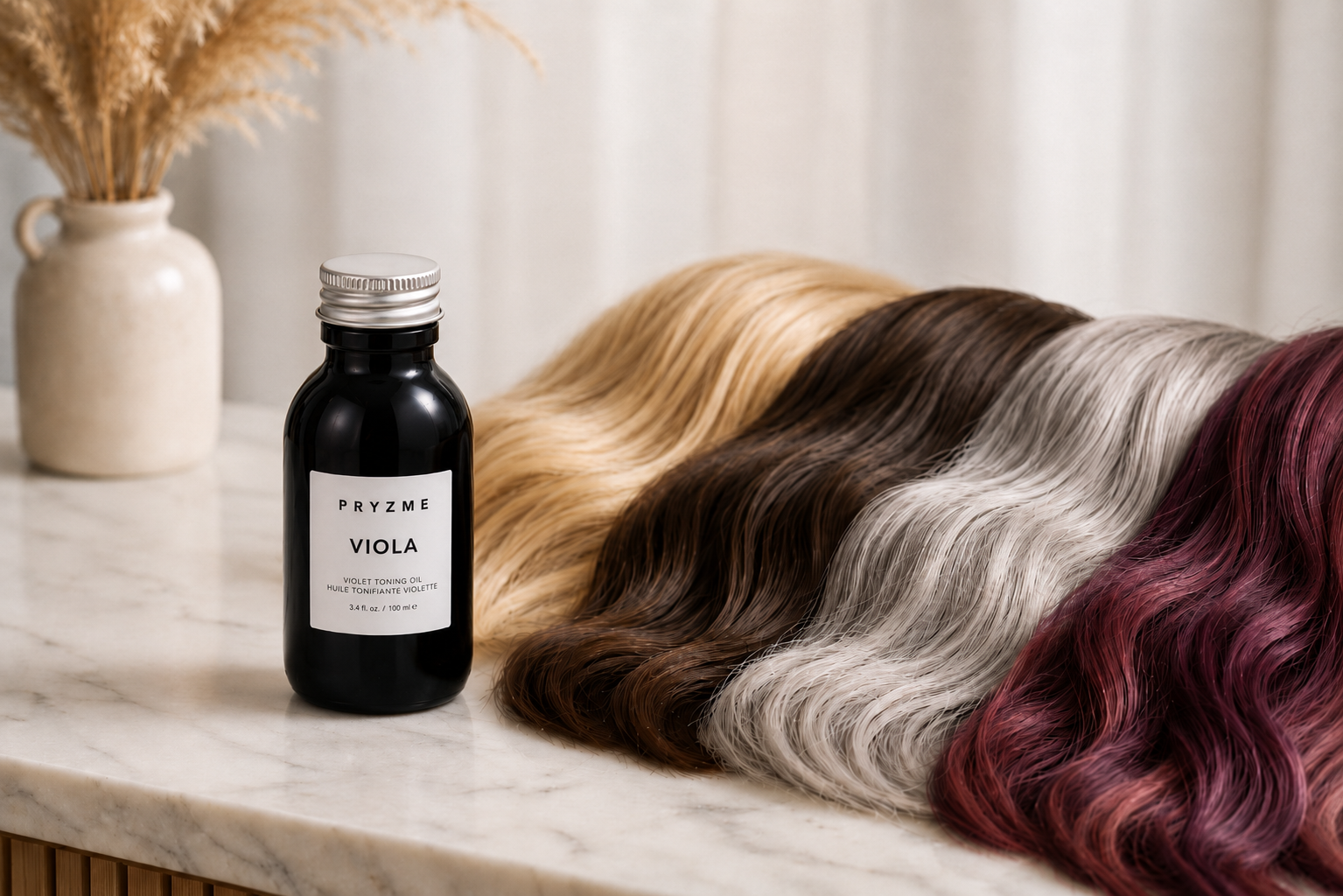
Fresh colour has a look and feel all its own - brighter tone, cleaner shine, that just-left-the-salon finish. Then real life steps in. Heat styling, hard water, UV, overwashing and dry ends can leave coloured hair looking flatter, rougher and less expensive than it did a week ago. Finding the best oil for colour treated hair is less about chasing a trend and more about choosing the right kind of support for your colour, texture and routine.
The key point is simple. Colour-treated hair usually needs two things at once: protection and polish. It needs help holding on to moisture after chemical processing, but it also needs a finish that keeps the surface smooth enough to reflect light. That is why the right oil can make such a visible difference. The wrong one, though, can weigh hair down, muddy the tone or leave fine lengths looking greasy by lunchtime.
What makes the best oil for colour treated hair?
Not all hair oils do the same job. Some are designed to nourish and soften. Others focus on sealing the cuticle, adding gloss and reducing frizz. For blonde, silver or highlighted hair, there is another layer to consider: tone maintenance.
The best oil for colour treated hair tends to be one that sits lightly on the hair while still giving enough slip and protection to reduce dryness and breakage. Colouring can make the outer layer of the hair more porous, which means moisture escapes more easily and environmental stress gets in faster. A well-formulated oil helps smooth that surface so hair feels silkier, looks shinier and is less prone to that straw-like texture that can creep in after bleaching or frequent colouring.
Texture matters too. Thick, coarse or curly hair often benefits from richer oils, especially through the mid-lengths and ends. Fine or straight hair usually needs something more refined and lightweight. If your hair is highlighted or pre-lightened, you may also want an oil that supports brightness rather than simply adding shine.
Why colour-treated hair behaves differently
Hair that has been coloured is often more fragile than virgin hair, even when it still looks healthy. Permanent colour, bleach and repeated lightening can all shift the hair’s structure. That can mean more tangling, more split ends, less elasticity and a greater tendency towards frizz.
It also changes how hair holds colour. Dry, rough cuticles do not reflect light in the same clean way as smooth ones, so even a fresh dye job can start to look dull if the hair lacks moisture. Oils do not replace masks, conditioners or gentle cleansing, but they can be the finishing step that keeps hair feeling expensive between washes.
For many people, the real test is not whether an oil feels nice on day one. It is whether the hair still looks polished on day five, whether the ends stay soft, and whether blonde tones stay cool rather than slipping brassy.
The best oils by hair need
If your colour-treated hair feels dry and rough, look for nourishing oils that soften without sitting heavily on the strands. Argan oil is a classic for a reason. It is rich enough to improve feel and shine, but usually light enough for most hair types when used sparingly. Camellia oil is another elegant option, known for giving smoothness and gloss without a sticky finish.
If frizz is your biggest issue, especially in humid weather, oils that create a sleek, protective layer are often the most useful. A good finishing oil can help align the cuticle, which makes hair look neater and more reflective. This is especially helpful on coloured hair, where raised cuticles can make frizz more obvious.
If you have fine, highlighted or easily weighed-down hair, lighter textures are everything. The best formula is usually one that disappears into the hair rather than coating it. You want softness and movement, not limp roots or separated ends.
If you are blonde, silver or cool-toned brunette, a standard nourishing oil may only solve half the problem. Shine is lovely, but if brassiness is creeping in, tone needs attention too. In that case, a violet-toning oil can be a smarter choice because it helps care for the hair while supporting a cleaner, cooler finish. That combination is especially useful if you want to stretch time between salon appointments without relying on harsher purple products too often.
Toning oils vs traditional hair oils
This is where choosing well makes all the difference. Traditional hair oils are usually about nourishment, shine and frizz control. Toning oils go a step further by helping to visually neutralise unwanted warmth in blonde, silver and highlighted hair.
That does not mean every colour-treated person needs one. If your shade is rich brunette, copper or deep red, a violet oil may not be relevant. But if your biggest concern is yellowing or brassiness, especially after lightening, then a toning oil can make more sense than a standard oil alone.
A formula such as PRYZME VIOLA sits neatly in that space. It offers the sensorial finish of a hair oil while supporting tone maintenance for blonde, silver and colour-treated hair. That means your routine stays simple - nourishment, shine and tonal balance in one step - which is ideal if you want results without building an overcomplicated shelf.
How to choose the right oil for your routine
The best choice depends on what your hair is asking for now, not what worked two years ago. Fine hair that has just been highlighted often needs a different texture from thick hair that is regularly glossed darker. Climate, styling habits and wash frequency all play a part too.
If you heat style most days, prioritise an oil that helps reduce dryness and keeps the hair surface smooth. If your colour fades quickly, focus on gentle care overall and use oil as a protective finishing layer rather than a heavy treatment that needs frequent washing out. If your ends feel rough but your roots get oily quickly, apply only from mid-length to ends and use less than you think you need.
It also helps to be honest about how you like to use products. Some people want an overnight oiling ritual. Others want ten seconds of polish before heading out the door. Neither is better. The best routine is the one you will keep.
How to use oil on colour-treated hair without overdoing it
With oil, more is rarely better. Start small - one to three drops depending on your hair density - and warm it between your palms before applying. Focus on the mid-lengths and ends first, where colour damage is usually most visible.
On damp hair, oil can help seal in softness and improve manageability before air drying or blow drying. On dry hair, it works as a finishing touch to smooth fluffiness, add shine and make ends look fresher. If your hair is very porous or overprocessed, a slightly richer application before washing can help soften it without leaving too much residue behind.
The biggest mistake is applying too much near the root area, especially on fine hair. That can flatten the style and make clean hair look overdue for a wash. The second mistake is using oil to mask damage instead of supporting a broader care routine. If hair is very compromised, you still need gentle shampoo, proper conditioning, regular trims and as little unnecessary heat as possible.
Ingredients and claims worth paying attention to
For colour-treated hair, the formula matters as much as the headline ingredient. A bottle can say argan, coconut or jojoba on the front, but the full blend determines how it behaves. Lightweight esters, antioxidant-rich oils and smoothing agents can all influence whether the result feels glossy and airy or dense and greasy.
You may also want to consider vegan formulation, especially if conscious beauty is part of how you shop. Clean, well-balanced formulas can feel more aligned with a modern hair ritual - effective, considered and easy to live with.
What is less useful is assuming that the heaviest, richest oil must be the most repairing. In practice, heavily coloured hair often responds best to consistency and restraint. A small amount used regularly tends to outperform occasional over-application.
So, what is the best oil for colour treated hair?
If your priority is softness, shine and everyday frizz control, a lightweight nourishing oil is usually the best place to start. If your hair is blonde, silver, highlighted or prone to brassiness, the best oil for colour treated hair may be one that tones as it treats. That extra function can make your routine feel more intelligent and more tailored to your actual hair goals.
The smartest approach is to choose an oil that respects the condition, colour and texture of your hair as it is now. You do not need a complicated routine to get polished, healthy-looking results. You need the right finish, used well and used consistently.
Colour-treated hair always asks for a little more care, but it does not need to feel high maintenance. When your oil is doing the right work - protecting, smoothing and, where needed, toning - good hair stops feeling like effort and starts feeling like ritual.

